Showing posts with label frost. Show all posts

Friday, November 5, 2010

"When the frost is on the pumpkin..."


The frost is on the pumpkin! Twenty- four degrees was the reading on my thermometer on two consecutive mornings this week. Even hit twenty-eight in Doylestown. So the frost is on the pumpkin. This “killing frost” in the mid-twenties takes out all of the tender annuals… weeds and crops. Cold hardy plants carry on.

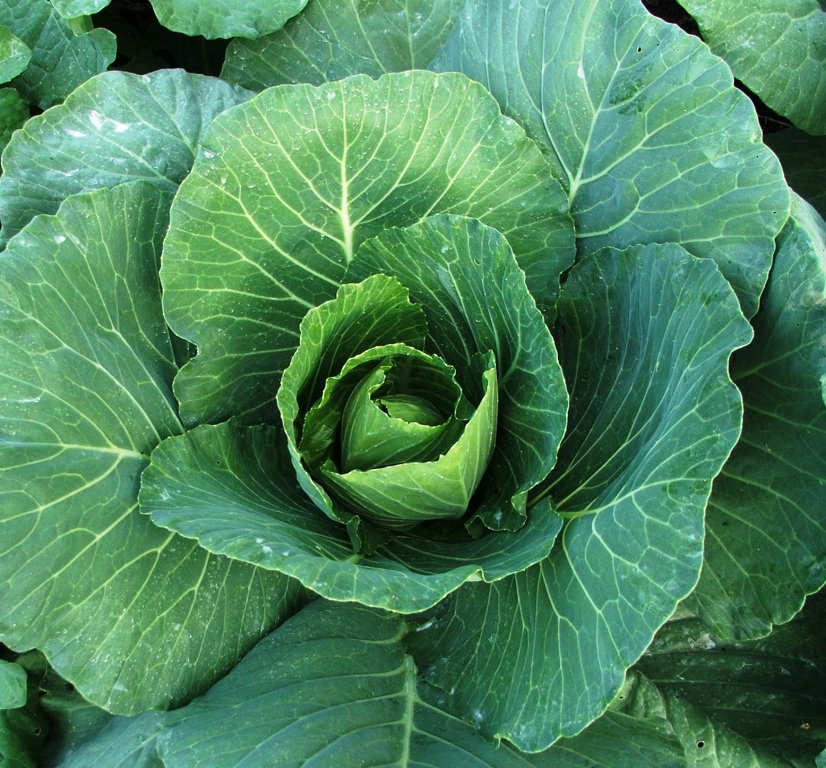
The picture shown here is a broccoli leaf and the heads that are part of this plant are still in good shape. In fact, one reason to plant fall maturing crops in the cabbage family (cabbage, cauliflower, broccoli, Brussels sprouts) is that they hold so well in the cool/cold temperatures of fall. Spring planted crops of the same species are forced to mature in the heat of late spring and early summer. They often go from “prime condition” to “over-the-hill” in a matter of days, especially when temperatures spike into the high eighties. I’d rather let Mother Nature hold them for me, naturally.

Forgot to plant you fall crops? Perhaps our local farmers can come to the rescue. As I visit local vegetable farms I see beautiful fields of fall vegetables. And, I know that bushels of winter squash are stored away from the freezing temperatures, just waiting for you to make pumpkin pies, baked squash and other fall specialties. I even know a local sweet potato grower who has several varieties of this nutritious root.
Turnips, rutabagas and parsnips are not everyone’s cup of tea but if you have not tried the farm-fresh version of these root vegetables recently consider giving them a try. Maybe next year they will be part of your fall garden, too.

Want more information on the culture of fall vegetable crops? Penn State’s brand new Vegetable Gardening publication is a great place to start.

PS For a wonderful reading of James Whitcob Rileys' poem, see this.

Tuesday, October 26, 2010

Jack Frost, Garlic and Cover Crops.


Rumors of frost were heard in northern Bucks County last Saturday (Oct 23) but for most of Southeastern PA the growing season continues uninterrupted. In fact, even where light frost occurred, as in my backyard, I still see many cold sensitive plants surviving. My fancy new minimum/maximum thermometer at the Extension office in Doylestown says 35 degrees F is as low as it’s been here.

So, it is clear we have not had that killing freeze that signals a definite end to many aspects of gardening. But official, long-term records tell us that we are on borrowed time… the median (equal number of occurrences on both sides of the question) frost date in Bucks County is October 6.

Sure enough the tomatoes and peppers that are still hanging on out there look pretty rough. The accumulation of summer diseases combined with short days and very cool nights makes most of us yank them out of the garden. In fact, smart gardeners ruthlessly pulled these plants a month ago and planted lettuce, spinach, broccoli rabe and other late season crops. Or maybe you even sacrificed the late season tomatoes altogether in return for a fall crop of broccoli, cabbage and cauliflower by transplanting these “cole” crops in late August or early September.

Even if you waited until now, there are a couple final crops you might consider. Cover crops and garlic.

Cover crops are plants that we establish to protect soil from compaction, to soak up leftover nutrients and to build soil organic matter. The most common fall cover crop in our area is rye. Not ryegrass but cereal rye, sometimes called winter rye. It germinates quickly in the warm, fall soil and makes a vigorous overwintering cover that resurges in the spring. In fact, you have to prepare to manage this cover crop or it will become a beast that is hard to incorporate. Plan to spade it under in April before it begins to bolt and go to seed. You’ll be rewarded with a great shot of soil organic matter, nutrition and biological activity. Rye is not the easiest seed to find but old-time feed stores will a have it. Seed it at about 3 to 4 lbs per 1000 square feet into well-worked soil. It is a large seed so try to get it about an inch deep.

Last but not least is garlic… the last edible crop we plant in the garden. Our goal is to have the garlic cloves root but not make too much top growth before winter sets in. This allows for a petty wide planting window. I shoot for Columbus Day in mid-October but planting until the end of October, or even a little later is not a problem. Get “seed” at a local farmers market selling locally grown stuff or order a variety grown in the Northeast US for best results. See this link for more details, page 27.

Jack Frost is coming but the gardening season continues.

Wednesday, May 20, 2009

A Bit Nippy?


I heard a familiar sound Tuesday morning, May 19, at about daybreak… someone scraping frost off of a windshield. I pulled up the covers and went back to sleep. My tomatoes and blooming strawberries were also nestled under warm blankets, protected from the cold. Later, I read my min/max thermometer and saw that the overnight low was 30 degrees… enough to kill bloom and flatten tender vegetable plants. My farming friends confirmed that it was below freezing. They protected acres of tender plants with row covers or sprinkler irrigation. Areas west of here reached 23 degrees by some accounts. Wow!

Row covers are a great way to get a few degrees of frost protection. Most garden catalogs sell them now. They are very light weight blankets made of spun-bonded polypropylene. Got my tomatoes thru the night and protected blooming strawberries from crop failure. Easy to apply and last for years. Add a wire hoop and you have mini greenhouse. Pictures above show a farm field with a more advanced version of row covers as well as the lightweight version in a garden bed.

Was this late frost the nasty side of Mother Nature? Maybe…its but not unexpected. Official records tell us that frosts have occurred throughout Bucks County until the last week in May. May 13 is the “frost-free” date for southern Bucks and May 28 in Northern Bucks. “Frost-free” means that after this date, 90 % of the time, there will be no further temperature below freezing. So, in fact, some of us have to sweat it out for another week, given the 1 in 10 chance of frost. But the weather woman says we’ll be OK. Summer temperatures are predicted for the rest of the month. Some folks use Mother’s Day as the green light to plant tomatoes another tender crops and that is a good guideline… but I always check the 10 day forecast about Mothers’ Day and plant accordingly.

And frost is not the whole story. Tomatoes do not thrive when night temperatures are in the low forties or colder. Peppers and eggplant are even more cold sensitive. And those folks seeding cukes, zukes and melons before June 1 are asking for trouble. There is a difference between surviving and thriving.

Want to get a jump on the growing season with the cukes, zukes and melons? Start seeds in peat pots or other small containers NOW. Plant in 10-14 days. You’ll have healthy plants with a leaf or two and minimal window-space disruption. In fact, start the plants on top of the fridge or any other spot that provides bottom heat. Move to light as soon as they germinate. Plant about June 1. Then watch out for cucumber beetles. Nobody said gardening was easy… they just said it was fun and interesting.

Tuesday, October 21, 2008

First Frost


The “official” median date for the first frost in Bucks County is October 6. That means that about half of the time we will have received temperatures below 32 degrees before this date and half of the time it will be later. My unofficial observations over the last 25 year tells me that by Columbus Day we have usually had a light frost and a real “killing frost” comes later the month.
Mother Nature is right on schedule. My garden was nipped over the weekend but got the killer on Monday night when the minimum/maximum thermometer read 24 degrees. I anticipated the demise of my zucchini and peppers and harvested the last of these on Saturday.

Of course, this does not mean the end of the gardening season. Lettuce, cole crops, and even carrots stand up well to these temperatures and keep on growing. Growth is slowed but in the case of the lettuces and cole crops this simply means that they will hold very nicely in the garden. Their growth is so slow that it’s kind of like and extension of your fridge. I plan to harvest lettuce right up until Thanksgiving. I’ve had lettuce at Christmas.

It is too late to plant much of anything except garlic. But if you have not enjoyed the pleasure of a fall garden, try to remember to keep planting in August and September 2009.

Finally, if you have not used floating row covers to extend your gardening season in early spring and late fall, check them out. They can provide a few degrees of frost protection and trap daytime heat to boost growth in cool temperatures. Most gardening catalogs sell them.