Wednesday, April 2, 2014

What's up with the Honey Bees?

Beginning beekeeper
Honey bees are in the news. Have been for years now.  In about 2006, a mysterious condition became apparent to commercial beekeepers. Colonies of bees dwindled to just a few young bees and a queen. Instead of tens of thousands of worker bees in a colony only a handful remained. No disease or other pest organisms were apparent. It was not a typical pesticide kill in which many dead bees are found piled up in front of the colony.

The term “Colony Collapse Disorder” (CCD) was coined to describe this phenomenon. Eight years later, a simple explanation for CCD still does not exist. But that doesn't mean no one cares or efforts to find answers have not been made. Last fall a panel of experts who have been studying the problem for almost a decade came to these conclusions:
1)   Consensus is building that a complex set of stressors and pathogens is associated with CCD.  

2)   The parasitic mite, Varroa destructor, remains the single most detrimental pest of honey bees and is closely associated with overwintering colony declines. ( note: overwintering losses are not necessarily CCD)

3)   Several viruses are associated with CCD and Varroa mites aggravate the virus problem. Other pathogens, both new and old, are also increasingly detected.

4)   Poor honey bee nutrition due to lack of good, diverse food sources has an effect on honey bee health. Loss of honey bee habitat and forage is a concern.

5)   Effects of pesticides on honey bees has been increasingly documented (PSU is taking a lead role here). Both acute (immediate, lethal injury) and sub lethal effects are known. Shockingly, Penn State researchers found that more than 100 different pesticides were detected in a sampling of honey bee pollen and wax. Interestingly, the most commonly found pesticides…. and those found in highest amounts, were applied by beekeepers to control Varroa mites!

Get the picture? Simple answers are very satisfying but just won’t do here.  And those who would like to demonize technology in the form of cell phones, GMOs and other modern inventions will not find support from the facts. Even the pesticide issue is complex. For a copy of the full report see this http://ento.psu.edu/news/2013/report-on-the-national-stakeholders-conference-on-honey-bee-health

Frame with honey bees
The good news is that bees of all kinds are getting the attention they deserve. Some cool breakthroughs in long term preservation of honey bee sperm will allow introduction of traits from European strains of bees through artificial insemination. (please note that the honey bee we have in the USA was an Old World import about 400 years ago… along with a lot of other plants and animals we eat and love).

And the public concern for bees has resulted in a surge of interest in beekeeping. The ABC’s of Beekeeping course that I have conducted for the last five years has filled to capacity every year. The same thing is happening throughout the country. Penn State has developed an on-line beekeeping course called Beekeeping 101 http://beekeeping101.psu.edu/  that allows you to study practical beekeeping anytime, anywhere.

Honeybees aren't the only bees on the plant. Thousands of other bee species are also experiencing disease, loss of habitat and assaults from pesticides.

Penn States Center for pollinator research http://ento.psu.edu/pollinators is a great place to start if you want to learn more. You can even certify your garden as “pollinator friendly” through his http://ento.psu.edu/pollinators/public-outreach/cert/Cert-steps-main program.
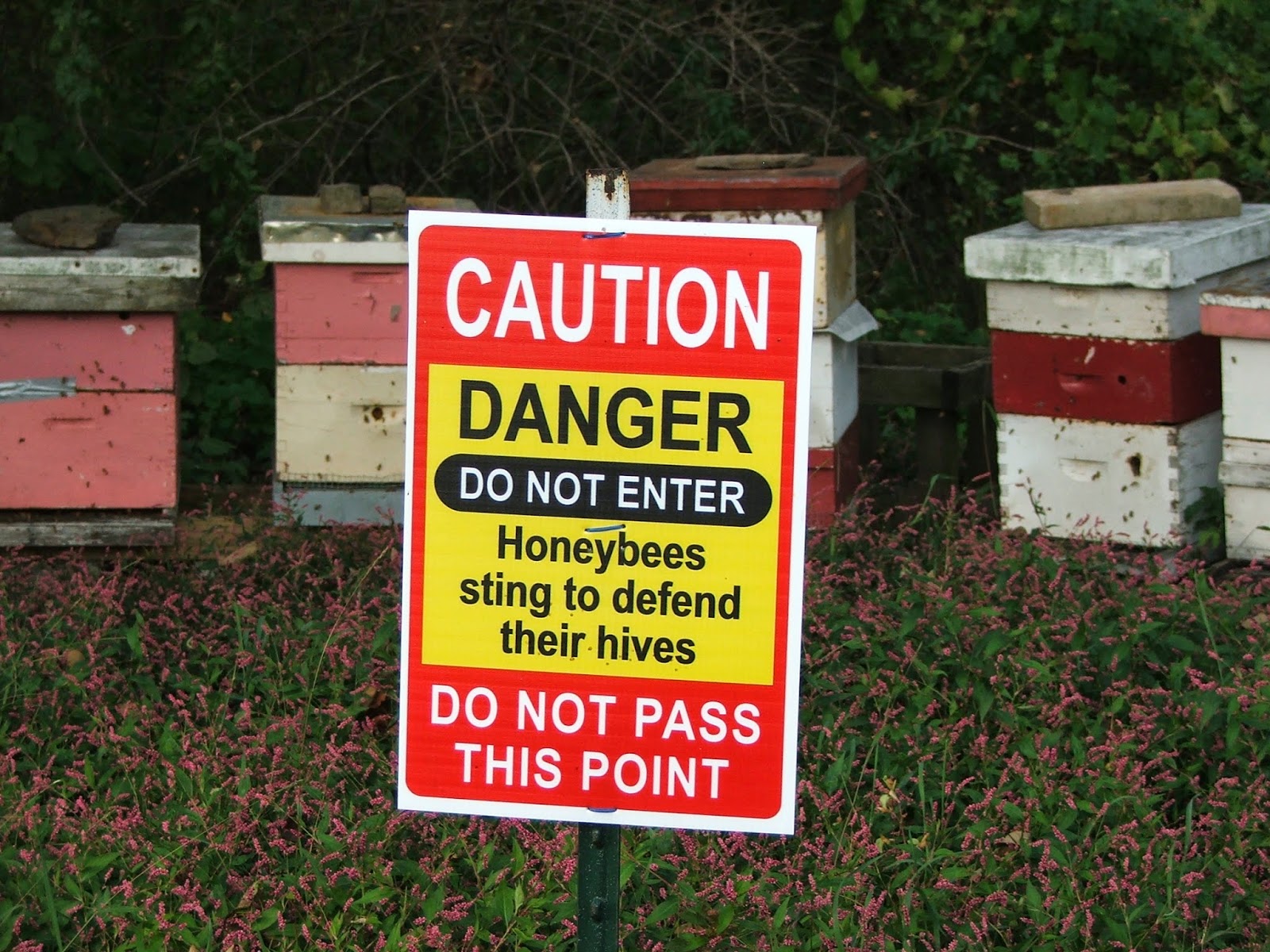

Be careful in assessing what you read about honeybee health in the popular press and the internet. Often times the headline (or even the main article) is designed to grab your attention but not enlighten the reader. Stories about bad guys and bogeymen sell newspapers but fail to fully explain important, complex issues such as the health of a cosmopolitan insect like the honey bee. 

Monday, January 13, 2014

Native Green Medal Plants and Jenkins Arboretum

Oakleaf Hydrangea
In early January, Penn State Extension conducted a “Green Industry” conference at Delaware Valley College.  We’ve been collaborating with DelVal, The Pennsylvania Landscape /Nursery Association (PLNA) and The Professional Grounds Management Society (PGMS) for about 30 years to bring professionals in the green industry together for a day of learning and socializing. This year 175 people participated.

The afternoon keynote speaker was Dr. Harold Sweetman, Executive Director of the Jenkins Arboretum. Harold’s presentation was spellbinding. Great photography and beautiful plants are a winning combination. His message was about Green Medal Plants … plants native to the eastern United States that thrive in the Delaware Valley region and would be beautiful in residential and commercial landscapes throughout southeastern Pennsylvania. The designation is made by Sweetman and the Jenkins staff.  

Here, I’d like to share thoughts on a few of the Green Medal trees and shrubs. There are also Green medal herbaceous plants...wildflower and ferns.  But I’ll stick to the woody plants because I know them best.
You can see the entire list here http://www.jenkinsarboretum.org/greenribbon.html. And, I certainly won’t attempt to compete with the Harold's photographs by including lots of pictures! I encourage you to see multiple images of each species at the website link shown above.

One interesting thing about the Green Medal designation…. it is for the species not specific cultivars. For some plants (think Cornus florida) you’ll find many cultivars. But the focus of the program is to make us more aware of the species in general. You can branch out from there.

Ok, on to the plants. Maybe the reason I warmed up to Harold’s presentation so much is because I see the plants he discussed almost every day. I have most of them in my front or backyard. And we have some of them in the fledgling Almshouse Arboretum on the grounds of Neshaminy Manor Center where Penn State’s Extension office is located.

So here are a few woody plants that you really should consider adding to your landscape this year. What? You don’t have a landscape of your own? OK. Find a park, school, church, or other public area and set a goal to obtain each of the Green Medal plants.


Eastern Redbud. Cercis canadensis – not red buds…. purple/lavender buds! Before the leaves emerge! That last for weeks! This plant is simply stunning in early spring. White flowered forms are available. And, it also has beautiful clear-yellow fall foliage. There are many cultivars with interesting summer foliage... even variegated, if you must. Small tree.  Fits into existing landscapes.

Common Pawpaw. Asimina triloba – Ok, not so common. Of all the plants on the list, this one may be most unfamiliar to you. But after hearing Harold describe a Pawpaw Daiquiri, I know it has a future. My plants are still young and have not yet borne fruit.  But I have eaten it and they are as tropical tasting as a mango or bannana. Just wild. Pawpaw is tolerant of shade and mucho soil moisture which makes it a good fit for such otherwise challenging sites. Get at least two different individuals to insure cross pollination for fruit set.

Carolina Silverbell.  Halesia carolina or Halesia tetraptera - Looking for a small to medium sized, shade tolerant, flowering,  native tree. Gotta have Carolina Silverbell.  Silverbell refers to the white flowers that hang downward from the previous season’s growth. This plant requires good soil... .deep, moist, acidic, well drained but it will reward you with its unique attributes.

Sweetbay Magnolia. Magnolia virginiana – A semi-evergreen small tree. Ok, I just looked and the specimen at the Almshouse Arboretum is leafless. But the one year old stems are bright green! This magnolia is noteworthy for it flower fragrance. Shade and wet tolerant. Foliage is dark glossy green on top and silvery beneath.  Shade and soil moisture tolerance is a big plus.

Alternateleaf Dogwood. Cornus alternifolia – Here’s a plant I really want. And I hope I live a while because the older specimens have such great character. The appeal of this dogwood is not the flowers, foliage or fruit but the horizontal branching habit. Yes, it has flowers of consequence but since they appear after the leaves they do not have the impact of flowers on Cornus florida. Speaking of which, the very common Flowering Dogwood is still a great plant. In fact, it is hard to beat for flowers, form and fruit. With close to 100 cultivars and subspecies in the trade, you will have no problem locating something you like. Put it at the corner of your house, plant three or five in a cluster near a woods edge or set one as a specimen in front of a wall. You almost can’t go wrong with what plant authority Michael Dirr calls “the aristocrat of native flowering trees”.


Winterberry Holly
Winterberry Holly. Ilex verticillata ­– Want to make a big splash of color in you landscape? In mid-winter? Look no further than this native, deciduous holly. These plants are widely sold and dozens of cultivars exist. They have been bred and selected for heavy fruit set. I know a guy who has three acres of them that are cut for the florist trade. Red and yellow fruit are possible with red predominating. Yes, you’ll need one, dull male. That’s life. And there is not much sense in having a single female when half a dozen will really liven things up. These plants tolerate very wet sites. What better way to solve a landscape problem than by filling it with color. I have never seen a serious pest on this species.

Franklin Tree. Franklinia alatamaha – We don’t have space here to tell the fascinating history of this plant. And for landscape purposes I guess it doesn’t matter. This small tree (10-25 feet) produces beautiful, large, fragrant,  white flowers with bright yellow centers in mid-summer… for starters. Fall color is a beautiful reddish purple. The dark, fluted  smooth bark and interesting branch architecture  make it interesting when dormant.  Hard to transplant and maybe difficult to find except at specialty retailers.  
Most, (probably all) of these plants have important relationships with native insects and other critters. When you fill your landscape with such plants, you are not the only one who benefits.

One thing I have noticed over the decades of involvement with the Green Industry Conference at Delaware Valley College...we have no trouble finding outstanding horticulturists, like Harold Sweetman  right in our own back yard. Kind of like these native plants… you don’t have to go far to find a winner.


Finally, don’t miss seeing the plants we just discussed, and many more, live and “in person”.  Visit Jenkins Arboretum http://www.jenkinsarboretum.org/index.html

Friday, October 18, 2013

Fall color


Got a call the other day from a person who was quite concerned about pine trees...needles turning brown and dropping. In fact, she said the ground beneath the trees was completely carpeted with brown needles.   She was distraught. 

Funny, I had seen the exact same thing that day and I was ecstatic! Beautiful fall color! Same trees, different reaction. 

The difference is  understanding that evergreens, such as white pine, while indeed evergreen,  naturally shed dead needles in the fall. Perfectly normal and natural. 

The key is to note that the needles that are being shed are older interior needles. 

Friday, September 27, 2013

Fall is for Planting


Fall will probably always have a hard time competing with spring when it comes to generating gardening enthusiasm. I guess there is some natural rhythm that encourages us to plant in spring.  But fall planting has many benefits.

ü  Soil is warm... warmer than in the spring. Roots continue to grow in the fall well past the time that leaves are shed.

ü  Moisture is usually plentiful and reliable in fall. And, deciduous plants that we establish in fall lose their leaves, reducing demands for moisture. Fall planted trees and shrubs have a ‘leg-up” on the spring planted ones regarding root growth and are better prepared for the likelihood of summer droughts. 

ü  Plants are cheaper! Every garden center I pass has some incentive for fall tree and shrub sales. Take advantage of it. You have nothing to lose and lots to gain. Do check plant quality before buying.

Fall is a perfect time for lawn care.  As a serious Philadelphia Phillies fan I have been listening to one of the major turf product suppliers telling me to “feed and seed” my lawn in almost every radio broadcast since March. Well, as the old saying goes, “Even a stopped clock is right twice a day." That fellow was on target in late spring… and again now.

September might be the ideal month for new lawn seedings but Penn State guidelines say seeding until October 15 is fine and we can stretch this deadline to late October successfully in Southeastern PA . One of the best reasons to establish new lawns in fall is to avoid the competition of summer annual weeds such as crabgrass. Crabgrass germinates and competes with spring seedings but not in the fall. The warm, moist soil is ideal for germination and root growth. Spring is a poor second choice when it comes to lawn establishment. A word of advice: simply tossing grass seed on the soil surface will not result in germination. That seed needs to be in the soil, not on it.   See this Penn State publication for details on renovation seeding.
Weed control and fertilization are two maintenance tasks that are best done in the fall. Weeds translocate herbicides very well as they approach dormancy. This means good weed control because the root systems of perennial weeds are killed. Controlling weeds is the fall means virtually weed-free lawns in spring.   Clover, dandelion and other broadleaves weeds are pretty easy to control with modern chemistries available in the garden center. October is a great month to go at it. Weed and feed products can kill two birds with one stone. But generally, sprayed on herbicides provide better control of broadleaved weeds.

If you have not applied some nitrogen fertilizer this fall, do it ASAP. You’ll be rewarded with good plant response this fall as well as next spring. Fertilization may be the best weed control practice you can perform. Dense turf competes with weed invaders. How much fertilizer should you apply? Label instructions will get you in the ball park. For a more precise approach, you can get a Penn State soil test kit here and follow the recommendations.  Ever applied lime to your lawn? If not, there's a good chance that this cheap pH adjuster will pay off. Soil tests will advise on this, too. If you are guessing… 50 lbs of ground limestone per 1000 square feet is a starting point.


Plant bulbs now. This is certainly a case of practicing delayed gratification. It will be months before you see the fruits of your labor. But, you can’t have that glorious spring display of daffodils and tulips if you aren’t willing to go to work now! Plants lots for best  effect. Think in terms of 25, 50 and 100. 


Not into flowers? How about garlic? October is garlic planting month. I use Columbus Day as a reminder to plant garlic but there is plenty of leeway on this. A local farmers market is a good place to find locally adapted garlic varieties and you can find one by looking at our Fresh From Bucks County Farms DirectoryGrowing garlic is very easy. Check out some highlights here in one of my previous blog posts


Odds and ends. What better time to be in the garden than on a cool sunny day in fall? Here’s a list of some other tasks suited to the season:           

            Kill perennial weeds. Canada thistle, bindweed, poison ivy. As long as they have green leaves they are great targets for translocated herbicides such as glyphosate (Roundup, etc).  

            Start a compost pile. Tree leaves, brush, garden clean up stuff.. they all make great ingredients for a compost pile. For the basics check out this publication from Illinois Extension. This cool Cornell University video goes into details and this Cornell publication has even more good composting information.


Winterize garden equipment. Why not put all of that summer garden gear to bed in good condition? Clean and sharpen shovels, hoes and other hand equipment. Rub some linseed oil into wooden handles. Service power equipment. Drain and hang hoses. Empty and store flower pots and other containers. 

Seed cover crops into vacant vegetable garden beds. Rye is probably the best all around winter cover for our area. Find it at farm supply stores. Rye can be seeded until the middle of November and makes a dense, winter hardy ground cover. Spade that overwintered rye into the soil in early spring before it gets too tall. You’ll be amazed at the massive root system it creates.

Tuesday, July 2, 2013

Ten Terrific Summer Garden Ideas


1. Keep planting in the vegetable garden.


'Freckles' Lettuce

Wise gardeners already have an eye towards the fall harvest season. After Labor Day, tomatoes are on their last legs, zucchini are about shot (or you are sick of them), and summer diseases have ravaged the vine crops. By planting cool loving crops in July and August, you can extend the gardening season to Thanksgiving… and beyond. Beets and carrots can be seeded in July and early August for fall harvest. Cabbage family crops such as broccoli and cauliflower can be transplanted at this time. Check out garden centers for transplants. Also, in places where peas, radish, lettuce, broccoli and other early maturing crops have petered out, consider seeding quick maturing crops like beans and summer squash which can mature in 50-60 days from seed. For a good guide to seeding dates and culture of many vegetable see Penn State’s publication, Vegetable Gardening

2. Try something new.
Rutabagas

Ever eat Kohlrabi? Rutabaga? Arugula? You might be surprised to find you love them. Each of these is a great addition to the summer vegetable garden and will be ready for fall harvest. Even if your tastes are not adventurous, you’ll surely find a new kind of lettuce in the gardening catalog. My new garden plant this year is Johnny’s Seeds Salanova lettuces. Check it out! These varieties would make a great addition to the fall garden. Seed in early-mid August.

Oh, and I had to try tomato varieties called Paul Robeson and Blue Beech!
Ok, not into vegetables? How about flowers? If you want to see what’s new in annual flowers, take a ride out to Penn State’s Flower Trials  in Landisville, PA (near Lancaster). More than 1000 cultivars are beautifully displayed and labeled. The public is welcome to visit on weekdays from dawn to dusk (Fridays till 2:30) throughout the summer. This place is a “must do” on my summer calendar. There is a one-day special Summer Garden Experience on July 27 with guided tours of the farm, speakers, and special displays. The event is free but parking is ten bucks.


3. Kill poison ivy.
Poison ivy in bloom

Perhaps only a card carrying member of the Northeast Weed Science Society (like me) would put this on their list of summer fun but there it is. Fact is, mid-summer ‘til frost is an ideal time to tackle this weed. The herbicides triclopyr and glyphosate are the best materials for this job. Triclopyr is found in several products sold in garden centers, sometimes sold as Poison Ivy Killer. In some products, it is pre-mixed with glyphosate. Products containing triclopyr alone will kill poison ivy but will not damage turf grasses. Glyphosate products are “non-selective” and will injure all plants that are contacted. As always follow label instructions. For a more complete discussion of poison ivy, see this.


4. Harvest and enjoy garlic.
July harvested garlic

Ok if you didn’t plant garlic last fall you won’t be harvesting your own this July. In this case, make finding a source of locally grown garlic your mission. Farmers markets and garlic festivals are good places to find some locally adapted “stinking rose”. For those of us with garlic, the rule is to harvest when about 60 % of the leaves have turned brown. Usually this is about the 4th of July… or a bit later. Hang the harvested garlic in a warm, well ventilated place out of the sun such as the rafters of a garage and let them dry down for a few weeks. Then trim the tops off… about an inch above the head and store at room temperature. Of course, enjoy some of that fresh juicy garlic right away. If heads of garlic got a bit over-mature, save these for fall planting or eat right away. Be sure to give a head or two to friends and encourage them to join the garlic growing gang.


5. Plan for late summer turf renovations.
Kids like lawns
Penn State agronomists continually remind us that late summer is the best time to renovate an old lawn or start a new lawn from scratch. Why? Because conditions are excellent for grass seed germination and this is followed by perfect condition for continued growth. Soil is warm, days are cooling, weed pressure is reduced, rainfall is plentiful… perfect for our cool season turfgrass species such as Kentucky bluegrass, perennial ryegrass, tall fescue and fine fescues. So, set a target date in the last week of August or the first week of September. Follow guidelines in Penn State’s lawn renovation fact sheet . You’ll want to be prepared with soil fertility information (pH, nutrient and organic matter levels), so soil test in July or early August. See this to learn how to submit sample to Penn State for analysis.


6. Pinch and Prune
Guess what
While the old saying “prune when the knife is sharp” may be a bit too liberal, the window of opportunity to prune is wider than most folks think. Forsythia over grown? Prune it. Missed thinning out the Wigelia? Do it in July. Didn’t pinch the mums? No wonder they are so straggly! I weed whack my Nipponanthemum nipponicum every 4th of July to keep the plants compact and the bloom upright. Late summer is probably not an idea time to do major pruning but July has some good possibilities. Here is a great Penn State guide to pruning woody landscape plants.


7. Start a compost pile.

Two bin turning unit


As summer progresses, mounds of organic matter begin to accumulate. Grass clippings, garden cleanup stuff, melon rinds and corn husks from a picnic…. all great stuff for a compost pile. If composting is new to you, here  is one of many great guides that will get you started. Turn that trash into treasure. It’s black gold for the garden. If you encounter compost questions as you go, please call us at Bucks County Extension (215-345-3283) to discuss your situation.


8. Visit gardens and arboreta near and far.

Longwood Gardens
If a picture is worth a thousand words imagine the volumes of information you will get by visiting a new garden. This might be a friend’s place down the street or the bulb display in Keukenhof ! Well, save the Keukenhof trip for next Spring. But you don’t have to go to Holland to see world-class gardens. Longwood, Chanticleer, Scott Arboretum, Henry Schmieder Arboretum, Burpee’s Fordhook Farm and many, many more outstanding places in our neighborhood will provide a shot of garden inspiration. Plan to visit one interesting place this summer. Don’t forget Penn State’s Trial Gardens in Landisville.


9. Find a place to plant a tree this fall.

Balled and Burlap Tree Planting

I have been appreciating some of the trees that Penn State Master Gardeners have planted in our Almshouse Arboretum over the last 6 years. It’s amazing how fast they grow. Maybe your own property doesn’t need a tree. I’ll bet you can find a place that does. Schools, parks, churches, municipal grounds and other public places need trees. Get involved. Start a tree planting program of your own… or join an existing one like PHS’s Plant One Million .

Fall is an excellent time to plant trees and shrubs. What to plant? You’ll find good suggestions here  .


10. Hug a bug.
Praying Mantis
Ok, not literally…. but consider doing something nice for an insect. And you don’t have to become a beekeeper to do some good.
For some people, hugging a bug seems counter-intuitive. All bugs are bad to some folks. Certainly gardeners experience their share of destructive insects. Most of us have been stung, literally once or twice in our lives and this leaves a lasting impression. But the vast majority of insects we meet are nice creatures… simply going about their business. And some researchers are pointing out that we may be taking for granted the “free services” that many insects provide, especially the insects that serve as pollinators…. the bugs that move pollen from flower to flower. In many cases, this service is an essential part of seed and fruit production. Lots of these insects are bees….all kinds of bees. Tiny ones and big bumblebee-like ones and everything in between. Most of us will never know their names.


So how can you figuratively hug a bug. Plant them something they like! Make it part of your garden. Herbaceous plants, shrubs and trees can all serve as food and shelter for insects. Want more information? See this. I found this very nice guide by poking around the site. Really into it? Get your garden certified as pollinator friendly. 

Tuesday, April 9, 2013

Emerald Ash Borer Update


Emerald Ash Borer feeding galleries
Last year at this time, we were consumed with figuring out how to deal with the reality that Emerald Ash Borer had been detected in Bucks County. A year later, this pest seems to have faded away. Not so!

While no additional detections beyond the original site in Warrington have been noted, the bug has not disappeared. There were many ash trees infested at this site and no doubt the adults that emerged from those trees flew off to mate and infest other trees. Studies of previously infested sites indicate that the infestation will move about ½ to one mile per year, even when attempts to eradicate the insect are in force. In addition, the infestation in Warrington is estimated to be several years old. So…..I figure EAB is most likely already established a few miles from Warrington, it just hasn’t been detected yet.

Still, the good news is that folks who fall outside of a 10-15 mile radius of Warrington can wait and watch. Researchers say that treating trees beyond this is a waste of money. This “lull” period provides time for people and communities to make a plan for the day when EAB arrives. It’s a question of when, not if, and that’s an important fact. There is no doubt that ash in Buck County will be killed when this insect reaches them.

For a refresher on Emerald Ash Borer, see this site.

On Thursday May 9, The Pennsylvania Horticulture Society will conduct and Emerald Ash Borer workshop at Neshaminy Manor Center for municipal, private and community professionals who are planning for the impacts of EAB. Contact PHS to register. Pre-registration is required.

Friday, January 4, 2013

Wood Heat.... Go Wood!


Mini Holzhausen
 Is there anything more pleasant than sitting by a warm, wood fire? Not much, in my book. The pleasure grows if you cut and split the wood yourself. As they say… in this manner the wood heats you twice. First, while working up a sweat splitting it ! Next, when you burn it. The whole process is very satisfying.


Wood heat can be economical as well. A cord of ash or oak has about the equivalent heating value of a ton of hard coal, 130 gallons of fuel oil or 3500 kilowatt hours of electricity. You do the math. Ok, I’ll do some…if fuel oil is selling at $3.50 a gallon, I think I can pay $455 for a cord of dry hardwood such as ash or oak (130 x $3.50 = $455). Currently, you can buy wood by the cord for about half this price. If you have a chainsaw and pickup truck you’ll find wood readily for free. That big storm Sandy was a windfall for some of us… literally. These figures assume you are burning that wood in a reasonably efficient wood stove, not a fireplace.

Of course, tending a wood stove is different from turning a thermostat. Not to mention the need for a wood storage area, hauling ashes, the centralized nature of heat from a wood stove, hitchhiking bugs, cold mornings, etc, etc, etc. I admit it’s not for everyone. On the other hand, it’s hard to get a real romantic feeling from a radiator. At least it is for me.

There is an awful lot to learn if burning wood is a new venture for you. Safety is a major issue. Proper stove installation and venting is critical. Oh, I forgot to mention, the chimney for your new wood burner may cost more than the stove…..yea, I guess we’d better figure in the infrastructure costs of burning wood… not just the fuel itself. Somewhere in my files I have a humorous piece that pokes fun at all of the hidden costs of burning wood. Conclusion is that it can’t pay!

On the other hand, maybe you are lucky and have some of these elements in place, left behind or second hand. That helps a lot. In any event, be sure to make safety first. None of this is worth it if you burn down the house.

Cornell University has an excellent wood heat site. And Heating with Wood and Coal from Northeast Cooperative Extension is a very comprehensive publication on the subject.

Finally, as I poked around on the web I came across a fantastic blog on wood call GoWood. Where? At Penn State! Written by Chuck Ray, Associate Professor of Wood Operations Research at Penn State, this site looks at many aspects of wood uses. Makes sense. We are in Penn’s Woods, after all. Chuck is a prolific blogger and brings many interesting facts and insights to the subject of wood. Lots of cool video links. Old and new.

I stumbled on Chuck’s blog as I was poking around the internet, trying to figure out a way to speed up wood drying. Remember that windfall from Super Storm Sandy? Yep, I have a lot of wood that is not dry enough to burn and I want to accelerate the process. Chuck, too. We both ended up exploring holzhausens. Wood houses, in German. All I can say is… check it out. Above is a picture of my first attempt at making a holzhausen. It's only 6 feet in diameter and about 5 feet tall. Time will tell how well it dries wood. I don’t care anymore; it’s the best lawn ornament I have. Chuck’s blog has a link to the best video I found on holzhausen construction as well as some amazing work of wood art form around the world. Go Wood!

Monday, October 1, 2012

Scarlet Oak Sawfly

skeletonized oak leaf
“What’s up with the oaks?” or “Are my oak trees are dying?” were common questions from residents in the Hilltown/Perkasie/Bedminster area this year. Symptoms included whitening in the tops of pin oaks and, on closer examination, leaves that had been “skeletonized”. This means that all of the soft parts of the plant tissue were gone but the “bones’ remained… just the skeleton.


You might think, as I did originally, that the insect called Oak Leaf Skeletonizer was the culprit. But a conversation with Penn State entomologist Greg Hoover led to the conclusion that this was another insect, Scarlet Oak Sawfly. Both insects skeletonize leaves but Scarlet Oak Sawfly does not leave tell-tale pupal cases on the leaves as does the Oak Leaf Skeletonizer.


pin oak injury from sawfly feeding
 The clincher was speaking with arborists Craig Brooks (Bedminster) and Bob McMullin (Doylestown). Both reported diagnosing the problem in the past two years. Craig and Bob are International Society of Arboriculture (ISA) certified arborists and excellent tree men. If you are looking of tree care, an ISA certified arborist is a really good idea.

So, what will become of oaks infested with Scarlet oak sawfly? PSU’s Greg Hoover thinks that natural predators and parasites will begin to take control and reduce sawfly populations to levels that are almost harmless. Defoliation is the issue here. The question is: “How much foliage can a tree stand to lose?” Answer is: "Some, not too much, not too often." It is not a black and white situation. Many factors such as overall tree condition, amount of foliage loss and site factors come in to play. It is unlikely that partial defoliation in one year will be a life or death situation for an oak.


sawfly larva feeding
 However, major defoliation in consecutive years is a problem. Think about gypsy moth damage. Similar scenario here. Except that Scarlet oak sawfly has two generations, one in early summer and one in late summer. Insecticide options exist, but the bugs habit of feeding from the tops of trees downward can present logistical problems... how to get good spray coverage at the top of a 50 foot tree? If necessary, arborists have the tools to do the job. It is not a do-it-yourself situation.

Personally, I have my bet on Mother Nature to come to the rescue. Sure, She can be unpredictable and is habitually late, but population spikes of one bug eventually result in their enemies coming along to even things out. 

Tuesday, June 19, 2012

Fresh From Bucks County Farms


Summer has arrived … and so have seasonal fruit and vegetables. Blueberries are “in” and peaches are not far behind. Raspberries are about to ripen. Get them while you can! The first tomatoes, planted early in greenhouses, are about to become plentiful, too. Some local sweet corn for the 4th of July? You bet.


"New" potatoes and peas
You can find a source for all of these favorite produce items in the 2012 edition of Fresh From Bucks County Farms, a directory of local farms, farm markets and CSA’s published by Penn State Extension. Copies are available on request by calling 215-345-3283 or at this site. Copies are also available in any Bucks County library.


While peaches, sweet corn and tomatoes get all of the attention, there is a lot more to like in the local food scene. “Foodies” have been enjoying garlic scapes for the last 3 weeks. The strawberry crop was exceptionally early and delicious this year. If you have never enjoyed “new” potatoes and peas a visit to the local farmers market will introduce you to a June treat.


Looking of something special? European-style artisanal cheese? Champagne? Duck eggs? Lamb? Grass-fed beef? You will find it all in Fresh From Bucks County Farms.


Thursday, May 3, 2012

Start Farming

High tunnel greenhouses extend the farming season
This is a gardening blog so you might think farming is not up your alley. But as gardeners, you have a lot in common with farmers. You watch the weather more closely than most people. You have an intimate relationship with insects… some friendly, some adversarial. You grow more of your own food than most folks. You know the names of beet varieties… because you grow them.


And I’ll bet that some of you have farming fantasies. You can see yourself selling stuff at the local farmers market rather than buying. You stare at tractors, longingly. The smell of manure is like perfume. As you might suspect, you are in a minority. So are farmers. Census data says that about one percent of the U.S. population identifies its occupation as farming. And that group is aging. About 40 percent are over 55. There is legitimate concern about where the next generation of farmers will come from.

What’s Penn State got to do with it? Well, as many of you know, we’ve been in the farming education business since about 1862. Many of today’s farmers were not born on farms. They followed a dream of farming and made it a reality. I can quickly name a Bucks County dairy farmer who grew up in Philadelphia, a vegetable grower who was an electrician and a commercial fruit producer who is a nurse. Each of them would tell you that Penn State has played a role in their success.

Recently, a federal grant was initiated specifically to help beginning farmers get started. Tianna Dupont, Penn State Extension Educator, is heading up the Start Farming program in Southeastern Pennsylvania. In the last two years, this program has reached more than 950 new and beginning farmers through 36 courses with names such as: ABCs of Beekeeping, Exploring the Small Farm Dream, Pasture School, Sheep Short Course, Introduction to Organic Vegetable Production and Small Scale Poultry. About half of the participants had no farm background or farming experience prior to taking the courses. These courses are ideal for working people, those between jobs, folks nearing retirement, and others who cannot devote time to full-time undergraduate course work, but still want to receive high quality education in agriculture.

For those who are ready to take on four years of study, Penn State has about 20 majors in agriculture. And they are popular! From the years 20005 to 2010, College of Ag enrollment at Penn State was up 42 percent. To see what the curriculum in agriculture looks like at Penn State see this.

It is interesting that at a time when concerns about where the next generation of farmers will come from, enthusiasm for food production is sky high….from both consumers and prospective producers. Want to start farming? See what Penn State has to offer.

Wednesday, March 14, 2012

Yes, Kiss Your Ash Goodbye

Emerald Ash Borer larval feeding injury
About nine months ago, this blog described purple traps hung throughout the Delaware Valley which are designed to detect an important pest … Emerald Ash Borer (EAB). The traps were not successful in detecting this insect but a sharp-eyed arborist was. Last Friday I got a call to look at some ash trees that were ravaged by woodpecker feeding. Beneath the bark, signs of larval tunneling were obvious. A few days later, Pennsylvania Department of Agriculture entomologists visited the site and verified that this was indeed Emerald Ash Borer.

Bad news for ash trees.

You can read the blog of June 11 last year and get the story … nothing has changed except that a detection has been made about 100 miles east (Warrington, PA, Bucks County) of the leading edge of the Pennsylvania EAB infestation. About the only good news is that a tremendous amount has been learned about this insect in the last 10 years. See this Penn State site or this National EAB site for solid, research-based information. The PSU “Frequently asked questions” feature is a good starting place.

For tree owners, the time has come to consider the fate of your ash. Depending on who’s counting, this insect has killed between 40 and 50 million trees between Michigan and….. Warrington. It is in 15 states and two Canadian provinces. It’s a tree killer. Infested ash die.

Individual trees can be protected with insecticides. Some can be applied by homeowners but, from what I read, the best product is available to arborists only and has to be injected. Upside? Two years of control.

Another hopeful thought is that entomologists now have several parasitoids, (bug killing bugs) that may provide some control of EAB… and perhaps the site recently detected would be a release site for them. That would be nice. Cross your fingers.

But don’t expect predators to catch up to EAB in Bucks County before a lot of damage is done. For now, learn to recognize ash . Think about whether it is really important to preserve those that you see. It is not practical to treat every ash tree. Remember, treatment provides only temporary protection, not immunity or a cure.

Those considering do-it-yourself treatment will find instructions here

Anyone following the story of Emerald Ash Borer knew that it was only a matter of time before this insect would be found killing ash trees in eastern Pennsylvania. Maybe this knowledge lessened the blow a bit. Also, those who closely observe tree and pest interactions know that this is one of many associations between an insect (or disease pathogen) that results in catastrophic impact on a species. See Dutch Elm Disease, Chestnut Blight or Hemlock Wooly Adelgid. More recently, Thousand Cankers Disease of Black Walnut.

I never paid much attention to ash trees until EAB arrived in Pennsylvania five years ago. Now I see them everywhere. Not for long.

Thursday, January 26, 2012

The Raised Bed Club

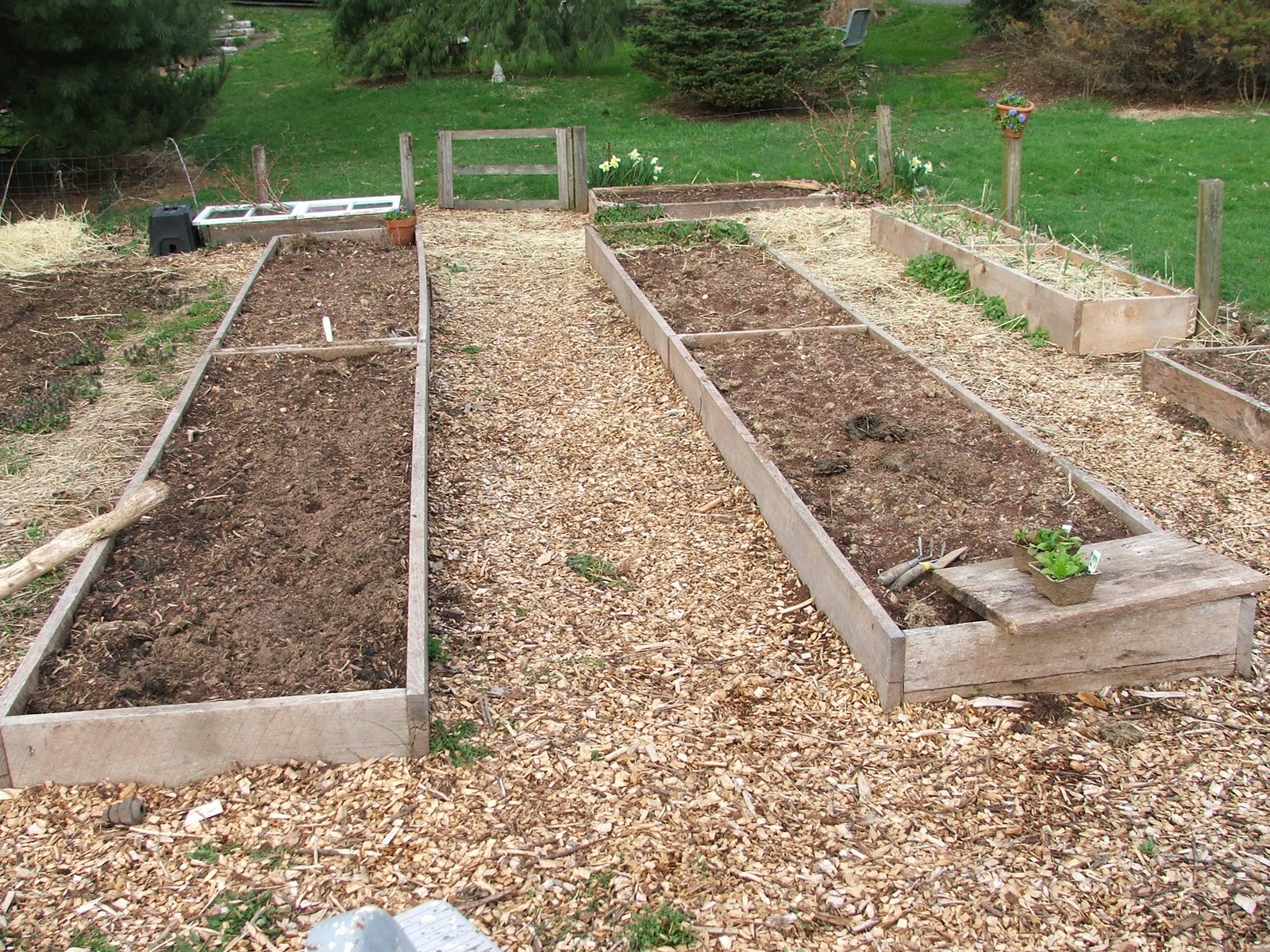
My pal Harry called recently to tell me that he had located some rough cut, white oak boards to build raised garden beds. We discussed board dimensions, how to fasten them together, what to fill the new beds with. I knew that Harry was about to become a member of the Raised Bed Club. I have been a member for about 15 years and it is probably the single most productive gardening step I’ve ever taken. I’ll outline some of the benefits and details here. If you want to take your vegetable gardening to another level, consider raised beds.


So, what’s the big deal with raised beds? For many of us (and certainly my original motivation) it is to gain the ability to garden in poorly drained soils… or to get access to garden soil earlier in the season. Raising the soil profile even a few inches creates gravitational pull on water that leaves it better drained. Many folks think that it is the media in the bed that is creating all of that drainage, and to certain extent, it does play a role. But even raising the existing soil on a site improves drainage dramatically. And if you are worrying about the task of importing a lot of stuff to fill you new raised bed… stop. You can accomplish a lot by simply using the existing soil.

Now, to talk out of both sides of my mouth, as they say…. let’s not ignore the potential to really improve soil texture and structure by amending that stuff we’ll fill those beds with. If you can add good organic matter to your existing garden soil in a raised bed you will see additional benefits. Where do you go for good organic matter? It’s everywhere. If you live in Southeastern Pennsylvania you are within an hour’s drive of some of the best compost money can buy. And sometimes it’s free! Spent mushroom compost is a beautiful thing. Many garden centers sell it. As you get closer to Kennet Square in Chester County it becomes more plentiful and cheaper. Since this stuff is often a waste product of the mushroom industry, there are mountains of it. It is simply the growing medium that several crops of mushrooms have been living in. It is high in organic matter and nutrients. Mix about 25 % mushroom compost, by volume, into even the crummiest soil and you have a decent growing media. Sure, do a soil test after you make this mix and adjust as necessary but that mushroom soil is nutrient rich and near neutral pH.

Composted leaves are stockpiled in many communities. While these will be less nutrient rich than mushroom compost, they do provide wonderful soil textural qualities. Again, adding about 25 %, by volume, is a good start.

Manure is magnificent. Find one of those old barnyard piles that has been ageing like a fine wine and you have hit the jackpot.

OK you get the idea. Find some organic matter. Amend your existing soil by incorporating about 25 % of what you can find with the existing soil. Then soil test and adjust fertility as needed. This will get you started. As time goes by you will fine tune that media in the beds. It will settle and shrink over time so yearly additions are needed.

Some garden centers and mulch suppliers sell a garden soil mix in bulk, by the cubic yard. Most will deliver. Tell them your bed dimensions and they will tell you how much you need. A bed that measures 8 feet by 3 feet by 9 inches will require 18 cubic feet… less than a cubic yard (27 square feet).

Rock raised bed
Wooden boards are probably material most people use to construct beds but many things can do the job. Rocks work. So do concrete blocks. I suppose you could use the fancy fake rock wall materials that are so popular. Metal, plastic, you name it. In fact, a raised bed can be borderless if you’d like. But the tidiness of wooden raised beds is nice. What kind of wood? Since there will definitely be contact with soil, a rot resistant wood is important if you want the beds to last more than a couple of years. Pressure treated wood sold these days does not contain arsenic.

Borderless Bed
Copper is used instead to resist the rots. Got old pressure treated wood with arsenic? There is pretty good evidence that this does not pose a great threat, but if you are going to spend one moment worrying about it (or trying to convince someone else who eats from your garden that all is fine by explaining the chemical qualities of arsenic) maybe it is a better idea to make a set of stairs out of those old pressure treated boards.

Black Locust Beds
Or… you can use naturally rot resistant wood. Black Locust is probably the most rot resistant species you can find locally. White oak is OK. If you have unlimited funds, Cedar and Redwood are sold. You’ll find locust and white oak at Pennsylvania sawmills. Yes, there are still sawmills around. I have 15 year old white oak beds that are just now breaking down. I expect the locust beds to be heirlooms.

Warped bed Board
The bed length is up to you but the longer board the more expensive they get. You can butt ends of individual beds together, as needed, if you have a big garden and want lots of gardening capacity. Bed width… you want to be able to reach across the bed from either side. Three feet wide is good. Wider is a stretch. Literally. If you don’t mnd working from both sides of a bed make them five feet wide. Board width…a full one inch board width will serve you well.

Locust is like concrete and must be pre-drilled in order to fasten end together. Screws are better than nails. Exterior grade screws are best. Plan to assemble you beds immediately after purchasing the boards at a sawmill, unless the boards have been properly dried, otherwise warping will make this impossible later.

How deep should the bed boards be? Six to eight inches is enough. More is a better but the boards will get expensive. Want deeper beds? Make them the identical dimensions and stack them on top of each other.

Hoops and Plastic make a Mini Greenhouse out of a Raised Bed
It is hard to believe that raising your garden surface less than a foot would yield huge benefits…. But it does. You’ll find gardening gets easier and your efforts are more productive. Your fingers are all you need to plant and weed. You will probably find yourself making low covered tunnels to extend the growing season and seeding crops like lettuce in solid beds instead of rows. You’ll make a cold frame instantly by covering a raised bed with a discarded window. You’ll be gardening earlier and later in the season… harvesting lettuce for Thanksgiving… or Christmas!

Ready for a new gardening adventure? Make a couple of raised beds.

Disarded window makes a cold frame out of a raised bed!


For a nice publication on the subject, see this from Missouri xtension.